


Month: October 2023
A Guide to the Interior Design Hubs of the World

11.1.2023
A Guide to the Interior Design Hubs of the World
FIND INTERNATIONAL INSPIRATION
By Heather Bien
From the Moroccan tiles that line a stunning outdoor kitchen to vibrant art from a market in Mexico City, the greatest design finds come from travel and exposing ourselves to other cultures. Each region draws upon its natural landscape and materials to inform the design, architecture, and art that make it unique. Designers will travel from across the world to explore the antique markets in Paris, and the modern galleries in Berlin, or marvel at the meeting of art and architecture in Spain.
Want to plan your own trip to some of the great design hubs of the world? Here are ten of the most inspiring interior design hubs around the world, where you can find amazing, one-of-a-kind art and furniture, as well as an appreciation for decor and architecture that’s evolved over thousands of years.

Mexico City, Mexico
From its pre-Columbian civilizations who made incredible artifacts from gold and jade to the Spanish colonial design that defines the Roma neighborhood, Mexico City is filled with diverse inspiration. “The bustling markets and streets are a treasure trove of textiles, ceramics, and artisanal crafts, each telling a story of generations of craftsmanship,” says Mariya Snisar, the Head of Interior Design at Renowell. Visit the Mercado De Artesanías La Ciudadela to pick up art and home goods.
“The bustling markets and streets are a treasure trove of textiles, ceramics, and artisanal crafts, each telling a story of generations of craftsmanship.”


Copenhagen, Denmark
For those who love minimalist, Scandinavian design, Copenhagen is a must-visit. Clean lines and sculptural pieces define Copenhagen’s rich art, architecture, and design history. Arne Jacobsen is one of the most famous furniture designers to hail from the city, and his designs, like the iconic egg chair, are instantly recognizable. His influence is apparent throughout the city’s emphasis on function in its most minimal, beautiful form.
London, United Kingdom
“As an interior designer, I love London because it boasts architectural styles spanning centuries. Its eclectic design inspires me to create unique, personalized spaces,” says Snisar. You can spend days wandering the diverse neighborhoods, visiting museums like the Tate or Victoria & Albert, and popping in and out of charming shops. The layered, storied British look is something that can add warmth and coziness to otherwise modern design.

Lisbon and Porto, Portugal
Artem Kropovinsky, interior designer and founder of Arsight, says, “Lisbon and Porto are historic gems that are now focal points of contemporary design.” These cities welcome the design community and modern, cutting-edge galleries. While you’re surrounded by centuries-old buildings, there’s a freshness and energy to the art community. This is where intricate tilework, carving, and maximalism meet the twenty-first century.
Paris, France
Paris isn’t only home to fashion, though, of course, it is the backdrop to the iconic fashion week. The French love all things beautiful, and that includes their classic French design, which is effortless, old, and elegant. Visit Paris and stay in a historic hotel or Airbnb, then spend your days venturing through antique markets, finding storied pieces that you can bring home and incorporate into your modern design to add a timeworn sense of history.


Milan, Italy
Milan is another fashion city with interior design sensibilities. Though best known for its designers, you’ll also find several major furniture brands based in the city, including Kartell and Poltrona Frau. The Milan Furniture Fair is the biggest furniture fair in the world, and it’s a bucket list visit for interior designers.
Berlin, Germany
Berlin has a reputation as a hip, modern design hub, that’s full of street art, galleries, and funky design. “You’ll find sleek galleries in the Mitte district. Kreuzberg has a bohemian spirit, where vibrant street art and eclectic shops reflect its avant-garde soul,” explains Snisar. This is where you go for edgier inspiration that will bring an element of laid-back cool to your design.

Bilbao, Spain
Snisar says, “Bilbao, Spain is a design oasis right at the heart of the Basque Country.” The iconic Guggenheim Museum holds a commanding place over the town with its eye-catching titanium-clad curves. You can stroll through the Casco Viejo, or Old Town, admiring the intricate design, deceivingly strong yet delicate-appearing ironwork, and centuries of carefully detailed architecture. “The Abandoibarra district offers a modern contrast, featuring sleek skyscrapers and cutting-edge urban planning,” adds Snisar.
Seoul, South Korea
You’ll find color, texture, pattern, and endless design inspiration in Seoul. “The bustling markets of Myeongdong and Namdaemun offer a sensory explosion,” says Snisar. The city has infinite energy, sleek skyscrapers, and historic temples. There’s a contrast of old and new, as well as an enthusiasm for self-expression and creativity, that you won’t find anywhere else.
“The bustling markets of Myeongdong and Namdaemun offer a sensory explosion.”


SHOP STYLES FROM AROUND THE GLOBE
How Designers Choose Dining Chairs to Complement—Not Match—A Dining Table

10.19.2023
How Designers Choose Dining Chairs to Complement—Not Match—a Dining Table
IT’S TIME TO MAKE A CHANGE FROM THE MATCHING SET
By Heather Bien
Say goodbye to the days of buying a dining room set, where six neat chairs came with one stately dining table. All purchased together, all at one place, and delivered all at once, essentially packed like a dining room in a box.
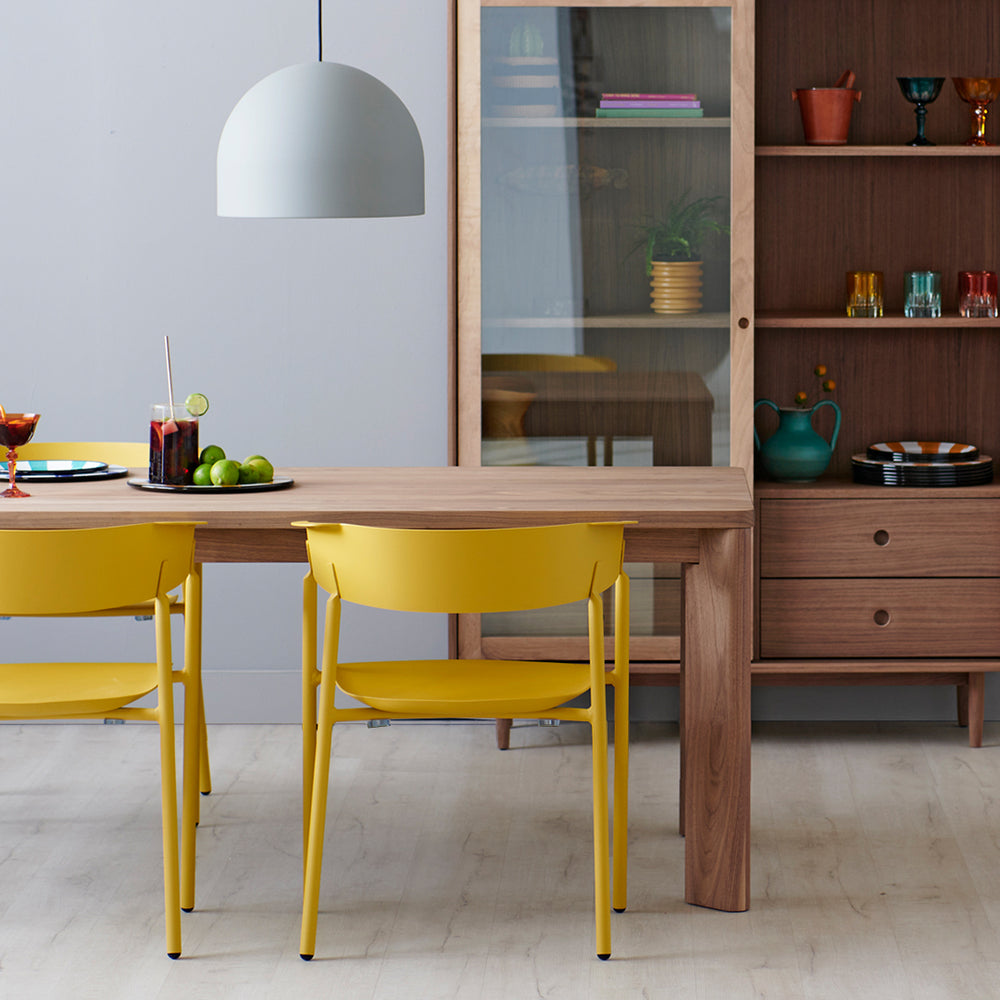
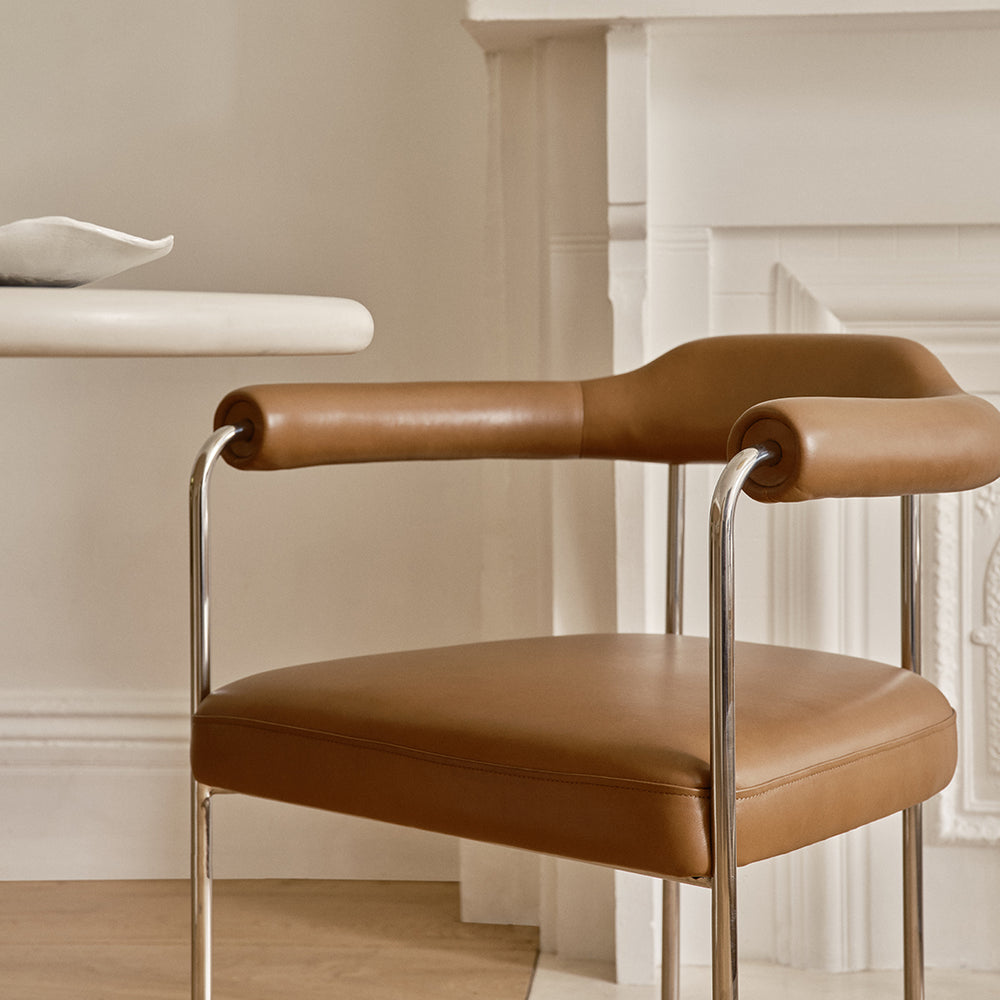
Now, whether you have room for twelve or space for two, the design powers that be say a dining table should never match its chairs exactly. Even the most traditional antique wood table, rescued from someone’s grandparents’ home, can take on a sophisticated second life when paired with chairs that add a sleek touch of modern style. The key is to get the contrast, the textures, and the materials right. Not too close, but not too far. There’s an art in choosing just the right fabrics, scale, and size.
Not sure where to start? Three design experts shared their top tips for choosing dining chairs to complement—not match—a dining table and create a space that feels intentional, styled, and, most of all, ready for entertaining.

Juxtapose Sleek with Natural
Dora Leigh Maddux of the Instagram account A Brooklyn Home juxtaposed the sleek look of her marble and white dining table with cane and black wood chairs, which have a warm, organic feel. Plus, they have a broader, more splayed impact than the iconic tulip-shaped table. “Because we opted for a contemporary, streamlined design with our tulip table, I wanted the chairs to have a natural element with warmer tones,” says Maddux.
Maddux explains, “This juxtaposition of modern, cold materials against softer, natural tones creates a more visually interesting story than a matching set and ties the other areas of the room together.” Because both the table and chairs have midcentury-inspired silhouettes, they complement each other without looking like they were purchased straight from a showroom. The natural caning of the chairs even echoes the parquet wood flooring, creating a beautifully cohesive but never-matching look.
Create Contrast between Old and New
“For me, it’s about creating contrast,” says Anthony Rodriguez of 136 Home, “Nothing is worse than matching your kitchen table’s material and finishing it to the kitchen table exactly. I live for a lived-in moment.” Your space should look like it evolved, coming together as you found just the right pieces.
“Whether it be pairing a walnut antique piece with an uber-modern table, or pairing your marble tulip table with matte black and cane, I like things to look interesting with depth and character,” explains Rodriguez, adding that contrast is even better. In his home, he used Mulholland chairs and the gorgeous richness of a gold velvet banquette to both complement and contrast with his white and brass tulip table. It’s a meeting of old and new that catches the eye and proves that matching is a thing of the past.

Mismatch the Host Dining Chairs
While complementing, not matching, chairs to a dining table is the first step, you can go even further by mismatching the chairs themselves. Eight chairs around a large dining table can create a consistent, streamlined look—or you can draw one or two out as a statement piece. By choosing a host chair that demands attention, you frame the table and create an artful, intentional contrast. Alida Coury of Alida Coury Interiors says, “Choosing chairs is different for each project. It depends so much on every item I’m adding in the room, and how the client wants the space to function. But a lot of times, I’m mismatching the host chairs.”
This can be done through varying the scale, fabric, material, and silhouette. Think of sleek, modern dining chairs contrasted with sculptural velvet armchairs at the end. It’s a dramatic look that’s perfect for avid entertainers.
Add in Texture
Where there’s rich organic texture on the dining table, like deeply stained wood or intricately carved details, use the chairs to add balance, color, and depth. Velvet and rattan can create a rich look while caning and linen keep things light and airy.
When Coury incorporates contrasting side chairs, she often uses that opportunity to add varying textures, metals, patterns, and fabrics. Each chair is an opportunity to introduce a new element to the larger design scheme, and by using different textures, she keeps the eye moving throughout the space, never growing stale on one look. “We introduce contrast in textures like rattan or caning, colors, patterns, or metal tones, or even the softness of fabric,” says Coury.
She adds one direction anyone can and should follow, “I try not to make rules and just let the design flow.”


SHOP DINING TABLES & CHAIRS


